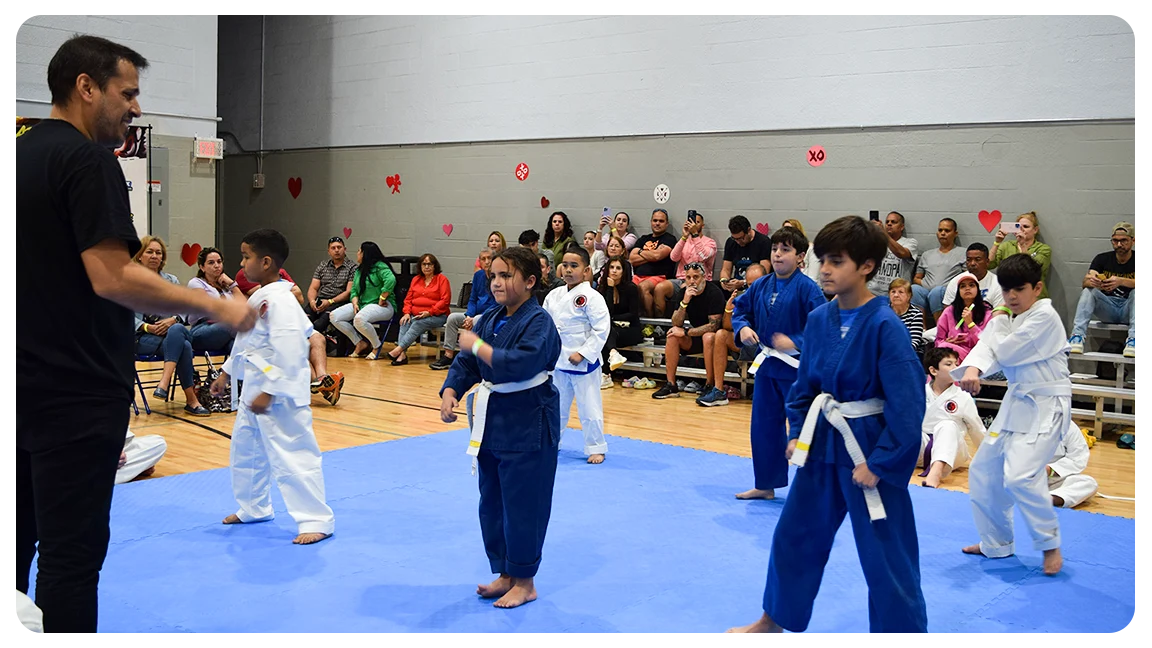
Competition vs. Recreational Training
Not all martial artists are interested in competition, and that's fine. But for students who want to test themselves against other athletes, karate competition provides meaningful challenge and growth opportunities.
Competition training is different from recreational training. Both are valuable paths. Understanding the differences helps you decide which path is right for you.
The Competition Path
Recreational Training: Focuses on personal development, self-defense capability, and consistent progression regardless of competitive spirit. Everyone advances at their own pace. The goal is mastery and character development.
Competition Training: Adds competition components—tournament preparation, competitive sparring, and testing yourself against other athletes. Still includes personal development and character focus, but with additional competitive elements.
Both paths respect the martial arts philosophy. Both develop character. The difference is whether you add competitive testing to your journey.
Training Differently for Competition
Competition athletes train with additional emphasis on:
Sparring Skills: Competitive karate involves one-on-one sparring against other students. Competition training emphasizes sparring strategy, timing, distance management, and reading opponents. This builds on the advanced techniques learned through regular training.
Tournament Technique: Competing against new opponents requires understanding competitive rules and techniques that work in tournament settings.
Pressure Situations: Competition training includes practice performing under pressure, managing competition anxiety, and executing technique when nervous.
Physical Conditioning: Competitive athletes train with higher intensity to build the conditioning necessary for competition performance.
Mental Preparation: Visualization, focus techniques, pre-competition routines, and managing competitive stress become important.
The Progression to Tournament Ready
Students don't jump directly into competitions. The progression typically follows:
Months 1-6: Building fundamental technique and sparring skills through class training and sparring practice with training partners. Many students pursue belt testing during this phase.
Months 6-12: Increased sparring focus, introduction to tournament-style rules, internal practice tournaments.
Months 12-18: Readiness assessment, tournament participation, learning from competition experience.
Months 18+: Continued competition participation, skill refinement, potentially advancing toward black belt goals.
Choosing to Compete
Competition isn't mandatory or necessary. Many martial artists never compete and have rich, meaningful training journeys. Choosing competition is a personal decision based on your goals and interests.
For students who are competitive by nature, motivated by challenges against other athletes, or interested in pushing their limits, competition provides valuable opportunity.
Tournament Preparation
As competition approaches, training becomes more focused:
Technical Preparation: Refining the specific techniques and strategies you'll use in tournament.
Simulated Competition: Training that mimics tournament conditions—time limits, rules, intensity.
Physical Preparation: Building endurance and power for tournament demands.
Mental Preparation: Visualization, confidence building, managing competition anxiety.
Recovery: Proper nutrition, sleep, and recovery become more important.
The Competition Experience
First-time competitors often report that the actual competition experience is less intimidating than they expected. The combination of training preparation and support from their dojo community creates confidence.
Most competitors report that competing—even if they lose—is valuable. They learn from the experience. They discover capabilities and limitations. They're pushed beyond their normal training intensity. These lessons transfer back to their training.
From Competitor to Mentor
Many competition athletes eventually transition to mentorship roles, helping newer students prepare for competition. This is valuable—sharing experience, teaching techniques, supporting other competitors.
Competition at CTX Martial Arts
For students interested in the competition path, CTX Martial Arts in Kendall, Miami provides:
- Sparring-focused training components through our Teen Warriors program
- Tournament preparation when you're ready
- Support from experienced competition athletes
- A community of students with diverse goals—some competing, some recreational
- Sensei Luis's guidance based on 35+ years of experience
Whether you choose the competition path or the recreational path, both are honored and supported.
Start Your Journey
Whether your goal is competition or personal development, martial arts training at CTX Martial Arts provides the structure and support you need. Check our schedule to get started. Learn why adults start karate—many begin as recreational students and later discover they enjoy the competition path.
Interested in competition? Your first week is free. Come train with us and see if the competition path calls to you.
Your martial arts journey—competitive or recreational—begins now.